Let’s be honest: our bathroom cabinets are getting crowded. We’ve all seen those vanities cluttered with “dry skin” serums and “oily T-zone” gels, a telltale sign of the “over-complication” trend.

Among all those bottles, Vitamin C is the one powerhouse that truly earns its spot. Vitamin C is the gold standard for a reason, even though we’ve been told for years that you need a specific concentration or derivative just to match your skin type.
Spoiler alert: You don’t. The real secret to the “best” Vitamin C is NOT about the percentage on the label. It’s about whether that serum makes it past the surface of your skin. The best vitamin C serum for your face is the one that actually absorbs deep into your skin.
The Problem with the "High %" Trap
If you’re searching for the best vitamin C serum for your face, you’ve probably noticed every brand claims a different concentration is the answer.
We used to think that 20% Vitamin C was better than 10%. In reality, high concentrations of raw L-ascorbic acid often led to two things: irritation and oxidation. If your serum turns orange in the bottle or stings your face on contact, it’s not “working harder”, it’s failing you.
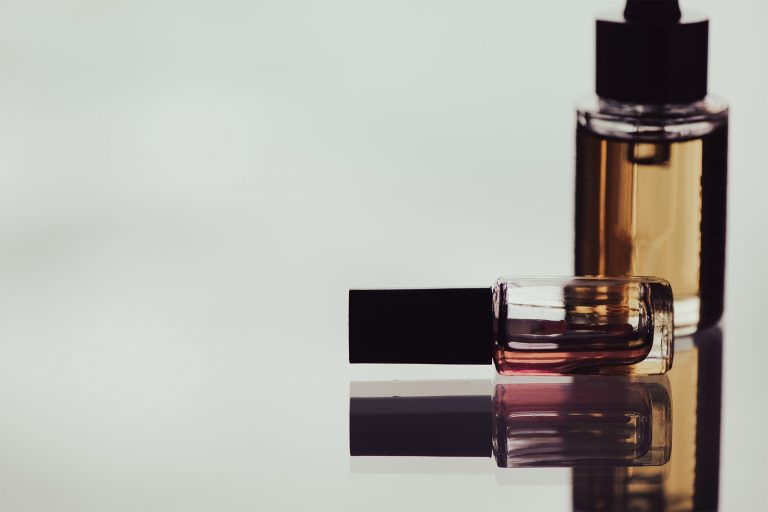
In 2026, the best serums have pivoted. Instead of more acid, we’re looking for better delivery. When the Vitamin C is stabilized and “wrapped” correctly, it doesn’t matter if you have reactive skin or a bulletproof oily complexion; the ingredient goes exactly where it needs to go without the drama.
How One Formula Manages Every Skin Type
It sounds like a marketing myth, but a well-engineered C serum can multitask across different skin concerns. Here’s how that works in practice:
For the Oily & Breakout-Prone: Most people with oily skin avoid serums because they feel “greasy.” A high-quality Vitamin C formula helps balance the skin and stops dark spots (post-acne marks) from setting in permanently. The key is absorption speed, a formula that disappears on contact won’t sit on top of your skin adding to the shine. You get the dark spot correction without the congestion.
For the Dry & Sensitive: If you’ve feared the “Vitamin C sting,” you’ve likely been using unstable formulas. Modern encapsulation allows the serum to bypass the sensitive surface layer and activate deeper down. You get the glow, minus the redness. People with dry skin also benefit from the antioxidant protection, which helps the skin barrier stay stronger over time.
For the “I Just Want to Age Gracefully” Crowd: Consistency beats intensity every time. A formula that works for all skin types is one you’ll use every morning, that’s the only way to see a real difference in fine lines and firmness. The best anti-aging move isn’t a stronger product, it’s a stable one you stick with.
The "Secret Sauce": Why We’re Talking About b.glen
If you’re looking for a specific recommendation that fits this “one-and-done” philosophy, the b.glen C serum is usually where the conversation starts.
What makes it different isn’t a secret ingredient, it’s the QuSome® technology. Made in Japan, QuSome is a micro-encapsulation delivery system that wraps the vitamin C in a protective layer and carries it past the skin’s surface barrier. Think of it like a key that fits the lock, instead of just scratching the door.

Most vitamin C serums sit on top of your skin and hope for the best. QuSome changes that. The encapsulated vitamin C absorbs at a cellular level, which means two things: you get better results, and your skin doesn’t have to fight through a high-acid formula to get them.
What You'll Actually Notice
When you apply it, you’ll feel a slight warming sensation. That’s not irritation, that’s the formula activating on contact. Within seconds it disappears into your skin. No sticky residue. No orange staining on your fingers. No waiting for it to dry before you can put on moisturizer or SPF.

After consistent daily use, most people start noticing a difference around the 3-4 week mark. Here’s what changes:
- Dark spots and post-acne marks start to fade visibly
- Skin tone looks more even in natural light
- Fine lines around the eyes and mouth appear softer
- Skin feels firmer, especially in the morning
Why Japanese Skincare Formulation Matters
b.glen is rooted in Japanese skincare science, which operates on a different philosophy than Western brands. The focus is on precision and long-term skin health, not quick fixes or dramatic before-and-after marketing.
Japanese formulas are tested extensively for stability, which is why the b.glen C serum doesn’t turn orange in the bottle after two weeks. The QuSome® encapsulation keeps the vitamin C stable from the moment you open it to the last drop. That matters because oxidized vitamin C doesn’t just stop working, it can cause more dark spots, the exact opposite of what you’re using it for.
Why it's a staple for 2026:
- It’s stable: No more throwing away half-used brown bottles
- It’s lightweight: You can layer it under makeup or SPF without that “pilling” effect
- It’s simple: It takes the guesswork out of “Is this right for my skin type?” Yes, it is
- It’s consistent: Same results whether your skin is dry in winter or oily in summer
Pro Tips for the Best Results
- Morning is Mandatory: Use your Vitamin C in the AM. It acts as a backup for your sunscreen, catching the free radicals that UV rays try to sneak through.
- Damp Skin is Fine: You don’t need a bone-dry face. A little moisture can actually help the absorption of advanced formulas.
- Wait 30 Seconds: Let it sink in before you move on to your moisturizer. Give it a moment to do its job.
What to Avoid When Buying a Vitamin C serum

Not all vitamin C serums are equal. Before you buy, watch out for these:
- High L-ascorbic acid with no delivery system: Anything above 20% raw L-ascorbic acid with no encapsulation technology is more likely to irritate than help. The concentration sounds impressive but most of it never reaches the deeper layers of your skin.
- Serums that come in clear or open-top bottles: Vitamin C oxidizes when exposed to light and air. If the bottle isn’t opaque or airtight, the formula is degrading every time you open it. An orange or brown tint is a sign it’s already gone bad.
- Long ingredient lists with alcohol high up: Denatured alcohol near the top of an ingredient list means it’s being used as a filler. It dries out the skin barrier over time, which is the opposite of what you want from a brightening serum.
- No information on stability or formulation: Brands that lead with “20% Vitamin C!” without explaining how it’s stabilized or delivered are selling you a number, not a result. Always ask how the vitamin C is protected from oxidation before it hits your skin.
Frequently Asked Questions
Can I use vitamin C serum every day?
Yes, and you should. Daily use is what actually moves the needle on dark spots, fine lines, and overall skin tone. The key is using a stable formula, unstable serums used daily will oxidize and irritate before you see any results. A well formulated serum like b.glen’s is designed for consistent morning use without building up sensitivity over time.
Is vitamin C serum good for oily skin?
It’s one of the best things oily skins can use. Vitamin C helps regulate excess sebum and fades post-acne dark spots, which is a common frustration for oily skin types. The mistake most people make is using a heavy or poorly formulated serum that sits on top of the skin. A lightweight, fast-absorbing formula won’t add to the greasiness. It disappears on contact.
Can sensitive skin use vitamin C serum?
Yes, but formula matters more than anything else here. The burning and redness people associate with vitamin C is almost always from high concentrations of raw L-ascorbic acid, not vitamin C itself. Modern encapsulation technology allows the ingredient to absorb deeper without triggering surface-level irritation. If you’ve had bad reactions before, the issue was the delivery system, not the ingredient.
What percentage of vitamin C is best for face?
Higher isn’t better. Studies show that anything above 20% offers no additional benefit and actually increases the chance of irritation and oxidation. The sweet spot is a stabilized formula in the 10-15% range that actually penetrates the skin. The best vitamin C serum for your face isn’t about the number on the label. it’s about how much of that vitamin C your skin can actually absorb and use.
The Best Vitamin C Serum for Face: What to Actually Look For
The best Vitamin C serum for the face is the one that actually reaches your dermis and doesn’t cause a breakout in the process. You don’t need a complicated routine to get professional results. By choosing a formula built for stability and penetration, you can stop worrying about your “skin type” and just start enjoying the glow.
One of the best Vitamin C serums from Japan: Check out b.glen C serum here.